

Strong Concrete Starts with the Right Reinforcement
Concrete is one of the strongest materials in construction, but it has one clear weakness: it handles compression well and tension poorly. As buildings settle, loads increase, or conditions change over time, plain concrete can crack in ways that affect both appearance and structural integrity.
That’s why deformed reinforcing steel bars are now standard in modern construction. Their ribbed surface locks into the concrete, helping structures carry greater loads while reducing cracking and movement over time.
Whether you’re pouring a residential foundation, building a commercial facility, or working on major infrastructure, the reinforcement you choose has a real impact on how long the structure lasts and how well it performs.
What Are Deformed Reinforcing Steel Bars?
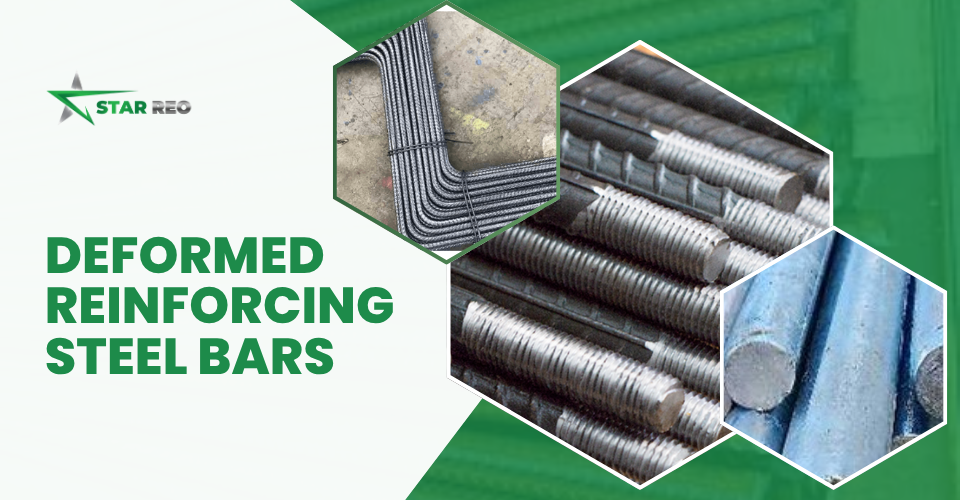
Deformed reinforcing steel bars usually just called deformed bars or rebar are steel rods manufactured with raised ribs or lugs along their surface. These ribs are designed to grip the surrounding concrete once it hardens.
Unlike smooth bars, deformed bars resist slipping inside the concrete. That mechanical bond lets steel and concrete work together as a single structural system: concrete handles the compressive forces, steel handles the tension. The result is a stronger, safer structure that holds up under demanding conditions.
This is why deformed reinforcing steel bars are used so widely across residential, commercial, industrial, and civil engineering projects throughout Australia.
Why Surface Ribs Make a Difference
The ribbed texture is the most obvious feature of a deformed bar, and it’s also what makes it work. As concrete cures around the ribs, the steel anchors itself firmly within the slab or structural element, which helps stop reinforcement from shifting under load.
The benefits show up in several ways:
- Better load transfer
- Improved crack resistance
- Greater structural stability
- Longer durability
- Less movement inside the concrete
Without that mechanical grip, reinforced concrete simply wouldn’t perform as well under changing loads or environmental stress.
Types of Deformed Reinforcing Steel Bars
Different projects call for different reinforcement. Choosing the right type means easier installation, better performance, and compliance with Australian construction standards.
Deform Pool Bar
Built specifically for swimming pools and water-retaining structures, which face constant pressure from surrounding soil and water. Deform Pool Bar resists cracking and helps pool shells hold their shape for years.
Common uses:
- Swimming pools
- Water tanks
- Retaining walls
- Moisture-exposed concrete slabs
Deformed Corner Bars
Corners take on concentrated stress, both during construction and over the life of a building. Deformed corner bars reinforce these points and reduce cracking where walls, beams, and slabs meet. Because they arrive pre-shaped for common applications, they also speed up installation.
Common uses:
- Footings
- Beams
- Concrete walls
- Columns
- Structural corners
Galvanized Bar
Projects near the coast or exposed to moisture need extra corrosion protection. The galvanized bar has a zinc coating that resists rust and extends the service life of the reinforced concrete.
Common uses:
- Coastal developments
- Marine structures
- Bridges
- Car parks
- Water treatment facilities
The corrosion resistance cuts down on maintenance costs and improves long-term reliability.
How Deformed Bars Improve Concrete Performance
Adding steel reinforcement doesn’t just make concrete stronger, it changes how concrete behaves under real-world conditions.
Better tensile strength.
Concrete resists compression naturally but struggles under tension. Deformed bars absorb the tensile forces created by heavy loads, ground movement, vibration, and temperature swings, letting reinforced concrete carry far more than plain concrete alone.
Reduced cracking.
Minor cracks are a normal part of curing, but good reinforcement keeps them from spreading into structural problems. By spreading stress more evenly through the slab or element, deformed bars help the structure stay stable over its lifespan.
Improved load distribution.
Loads are rarely even; people, vehicles, machinery, and environmental forces all put varying pressure on a structure. Deformed bars spread that load across a wider area, which lowers the risk of localised failure.
Greater structural stability.
Modern buildings need to hold up for decades. Reinforced concrete strengthened with deformed bars stands up better to heavy traffic, wind loads, ground movement, temperature changes, and everyday operational stress — with fewer maintenance headaches along the way.
Common Applications
Deformed reinforcing steel bars show up in nearly every corner of construction:
| Industry | Common Uses |
| Residential | Foundations, slabs, driveways, retaining walls |
| Commercial | Office buildings, shopping centres, parking structures |
| Industrial | Warehouses, factories, manufacturing plants |
| Civil Infrastructure | Bridges, tunnels, highways, rail projects |
| Agricultural | Silos, machinery sheds, storage facilities |
Choosing Quality Reinforcement Matters
Not all reinforcing steel performs the same. Poor-quality bars can have inconsistent dimensions, weaker tensile strength, or manufacturing shortcuts, all of which show up later as performance issues and higher maintenance costs.
Look for reinforcement with:
- Consistent rib patterns
- Accurate dimensions
- Reliable tensile strength
- Compliance with Australian Standards
- Proven long-term durability
Working with an experienced supplier means getting products that actually meet your project’s specifications, not just its budget.
Supporting Sustainable Construction
Construction is under growing pressure to cut environmental impact without cutting corners on quality and steel happens to be one of the most recyclable materials available. Most reinforcement can be recycled repeatedly without losing its mechanical properties, which makes it a solid choice for sustainable builds.
Choosing a supplier committed to responsible manufacturing helps reduce waste while supporting long-term environmental goals, and working with a trusted sustainable construction materials provider gives builders access to products made with sustainability, quality, and compliance built in from the start.
How to Choose the Right Reinforcing Bars
- Project Type: Select reinforcing steel bars that match the size, purpose, and structural requirements of your residential, commercial, or infrastructure project.
- Structural Design: Ensure the reinforcement aligns with engineering specifications to provide the required strength, stability, and load-bearing capacity.
- Environmental Conditions: Consider exposure to moisture, coastal environments, chemicals, or extreme temperatures when selecting reinforcement materials.
- Load Requirements: Choose bars with the appropriate strength and grade to safely support expected structural loads throughout the building’s lifespan.
- Australian Standards: Always use reinforcing steel bars that comply with Australian Standards to ensure safety, quality, and regulatory compliance.
- Corrosion Resistance: For projects in harsh or coastal environments, select reinforcement with suitable corrosion protection to improve long-term durability.
- Product Quality: High-quality reinforcing steel bars provide consistent performance, better bonding with concrete, and greater structural reliability.
- Supplier Reliability: Partner with an experienced supplier that offers quality products, dependable service, and timely delivery to keep your project on schedule.
Considering these factors early helps you choose the right reinforcement, avoid unnecessary costs, and achieve a stronger, longer-lasting concrete structure.
Why Builders Choose Starreo
Reliable reinforcement starts with a reliable supplier. Starreo supplies high-quality reinforcing products manufactured to Australian standards and built for long-term structural performance from reinforcing mesh to Deform Pool Bar, Deformed Corner Bars, Galvanized Bar, and more.
As a trusted sustainable construction materials provider, Starreo is committed to 100% recyclable steel products that help builders cut waste and improve project efficiency. Paired with fast 48-hour quotations and dependable customer support, Starreo helps contractors keep projects moving from planning through to completion.
Conclusion
Concrete lays the foundation of modern construction, but deformed reinforcing steel bars are what give it the strength to perform under pressure. Their ribbed design improves bonding, increases tensile strength, controls cracking, and enhances the long-term stability of residential, commercial, and infrastructure projects. By choosing high-quality reinforcement from Starreo, builders can ensure their projects benefit from reliable, Australian Standards-compliant products that deliver lasting structural performance and support sustainable construction practices.
Choosing the right reinforcement is one of the most important decisions in any build. Products manufactured to Australian standards and sourced from a trusted supplier give builders a stronger, safer foundation to work from whether the job calls for standard reinforcement or specialised solutions like Deform Pool Bar, Deformed Corner Bars, or Galvanized Bar.
